
1. Introduction

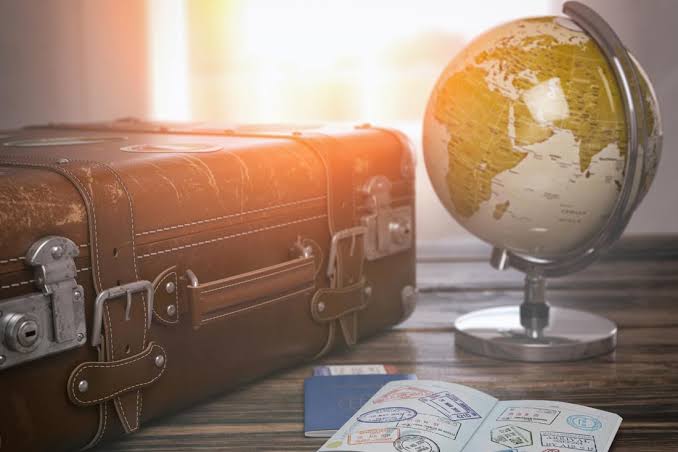
Moving overseas is a major life transition that involves much more than transporting personal belongings from one country to another. Whether relocating for work, education, family, or a new lifestyle, international moves require detailed planning and careful coordination.
Many people focus primarily on their destination while overlooking important preparations before departure. These oversights can lead to delays, unexpected expenses, and unnecessary stress. Understanding the most common mistakes when moving overseas can help individuals and families enjoy a smoother relocation experience.
2. Waiting Too Long to Start Planning
One of the biggest mistakes people make is postponing relocation planning until the last minute.
An overseas move often involves multiple tasks, including organizing documents, arranging transportation, sorting household items, securing accommodation, and preparing for life in a new country. Starting early provides more flexibility and allows time to address unexpected challenges before departure.
3. Bringing More Belongings Than Necessary
Many people assume they should take everything they own when relocating internationally.
However, transporting unnecessary furniture, clothing, and household goods can make the moving process more complicated. Before packing, it is helpful to evaluate which items are essential and which can be sold, donated, stored, or replaced after arrival.
A well-organized inventory can reduce workload and improve overall moving efficiency.
4. Ignoring Import Regulations
Each country has its own customs requirements and import regulations.
Failing to research these regulations before shipping belongings can result in delays, inspections, or restrictions on certain items. Furniture, food products, plants, electronics, and personal effects may be subject to specific rules depending on the destination country.
Understanding these requirements before packing can help avoid complications during the relocation process.
5. Poor Packing Practices
Improper packing is one of the leading causes of damage during international transportation.
Common packing mistakes include:
- Using low-quality packing materials.
- Overfilling cartons beyond their capacity.
- Failing to protect fragile items.
- Packing heavy and light items together improperly.
- Neglecting to label boxes clearly.
Careful packing helps improve handling efficiency and reduces the likelihood of damage during transit.
6. Forgetting Important Documents
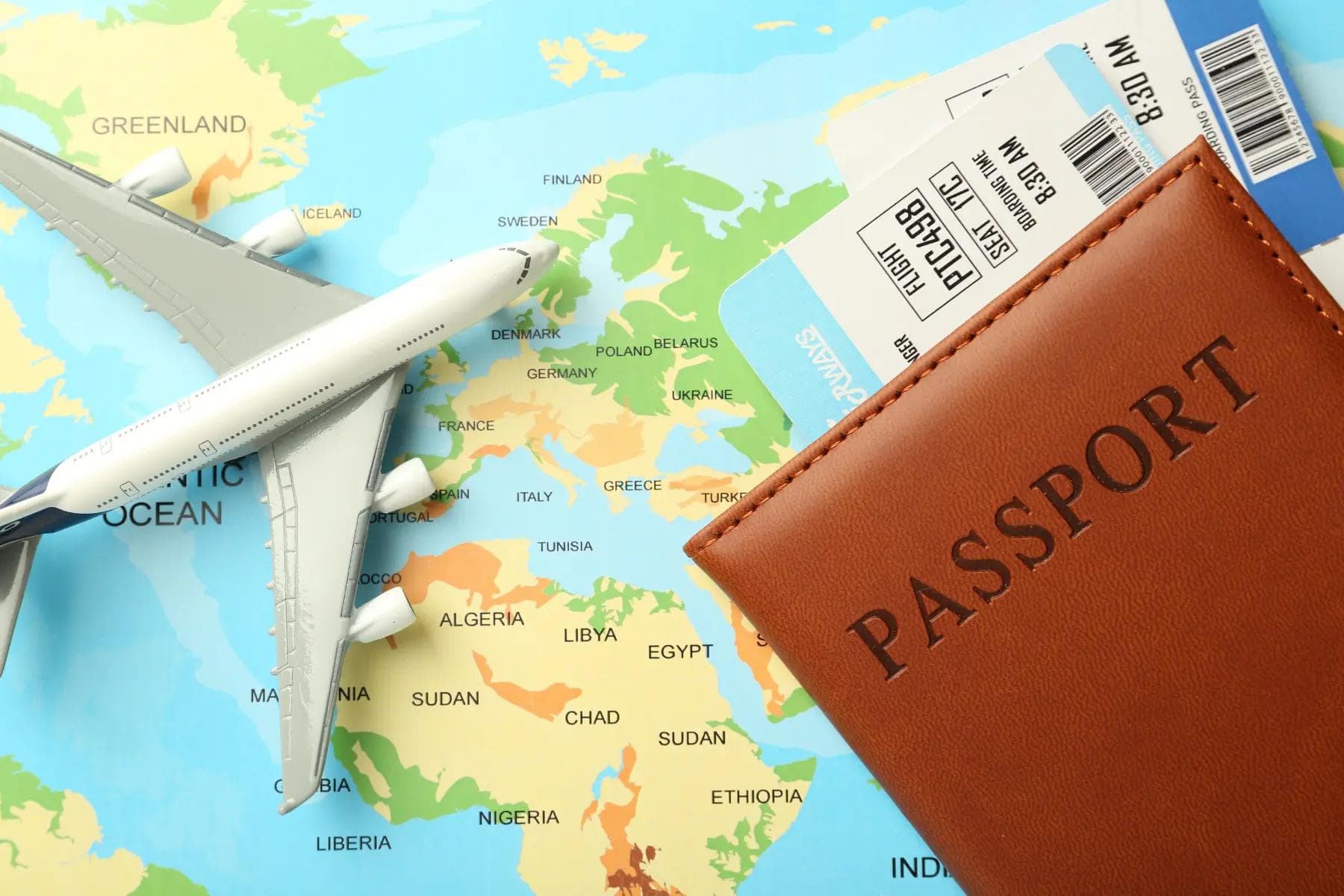
Relocation paperwork plays a critical role in an international move.
Important documents may include:
- Passports
- Visas
- Birth certificates
- Educational records
- Employment documents
- Medical records
- Financial documents
- Property-related paperwork
Keeping both digital and physical copies of essential documents can help prevent disruptions during travel and settlement.
7. Not Creating a Detailed Moving Checklist
Without a structured plan, it is easy to overlook important tasks.
A moving checklist helps manage:
- Packing schedules
- Transportation arrangements
- Accommodation preparation
- Utility account management
- Address updates
- Travel bookings
- Documentation deadlines
A comprehensive checklist improves organization and reduces stress throughout the relocation process.
8. Underestimating Settlement Costs
Many people focus on transportation expenses while overlooking the costs associated with settling into a new country.
Additional expenses may include:
- Temporary accommodation
- Local transportation
- Utility connections
- Household necessities
- School registration
- Administrative fees
Creating a realistic relocation budget helps individuals prepare financially for their transition abroad.
9. Failing to Research the Destination

Moving overseas involves adapting to a different environment, culture, and lifestyle.
Before relocating, it is beneficial to learn about:
- Local customs and traditions
- Transportation systems
- Housing options
- Healthcare services
- Educational opportunities
- Employment expectations
The more information people have before arrival, the easier it becomes to adjust to daily life in a new country.
10. Delaying Transportation Arrangements
Transportation planning is often left until the final stages of relocation.
Delays in arranging shipment schedules can create unnecessary pressure and reduce available options. Early transportation planning allows better coordination between packing, collection, shipment, and final delivery.
A proactive approach helps keep the entire relocation timeline on track.
11. Neglecting Address and Account Updates
Before moving overseas, it is important to update relevant organizations and service providers.
These may include:
- Banks
- Government agencies
- Insurance providers
- Educational institutions
- Employers
- Subscription services
Updating records before departure helps maintain access to important communications and services after relocation.
12. Contact Information
For information regarding international household moving and overseas relocation services, please contact:
Hotline: 0904 675 115
Zalo: 0907 411 933
13. Conclusion
Moving overseas is a complex process that requires careful planning, preparation, and organization. Mistakes such as inadequate packing, incomplete documentation, poor budgeting, and insufficient research can create avoidable challenges during relocation. By understanding these common pitfalls and taking proactive steps to address them, individuals and families can enjoy a smoother transition and begin their new life abroad with greater confidence and peace of mind.
View more:
Solar panel transportation from Long An to Khanh Hoa
Office and warehouse relocation services
Detailed comparison: DIY moving vs. Full-service relocation
