
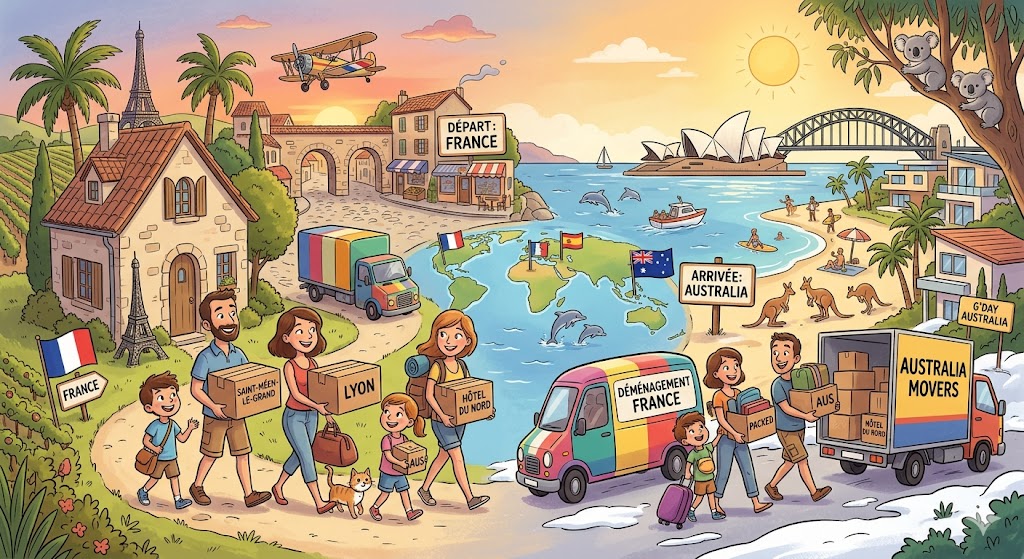
Relocating from France to Australia involves a major transition across hemispheres, requiring detailed planning, adherence to strict biosecurity laws, and reliable intercontinental transport corridors. Whether you are moving household goods for a career change, shipping personal items for study, or managing a corporate relocation, a structured logistics framework ensures your belongings arrive safely.
Navigating the massive geographical distance between Europe and Oceania demands an optimized approach that balances transport modes, border compliance, and secure handling.
1. Tailored Freight Modes for Intercontinental Relocation
Choosing the right transportation method is the first step in an international move. Your choice depends heavily on your volume, timeline, and budget.
-
Ocean Freight (FCL / LCL): This is the most cost-effective method for shipping large volumes, such as furniture and entire household setups. Containers typically depart from major French ports like Le Havre, Marseille, or Fos-sur-Mer. They route toward key Australian maritime gateways like Sydney, Melbourne, Brisbane, or Fremantle.
-
Air Freight: This mode is ideal for urgent relocations, high-value items, or smaller consignments of personal effects. Cargo is dispatched from major French hubs like Paris Charles de Gaulle (CDG) to major Australian international airports, offering the fastest transit times.
2. Standardized Packing and Inventory Management
International transit subjects cargo to multiple handling points, sea humidity, and extreme temperature shifts across climate zones. Professional packing standards are non-negotiable to protect your valuable assets.
3. Cross-Border Compliance and Biosecurity Regulations

Navigating the regulatory frameworks of both nations is critical to preventing costly border delays. Australia is known for having some of the strictest biosecurity laws in the world.
-
Export from France: We prepare the Bill of Lading, detailed packing lists, and export declarations required by French customs.
-
Australian Biosecurity and Customs: The Australian Department of Agriculture, Fisheries and Forestry (DAFF) inspects incoming personal effects. All shipments must be completely free of soil, seeds, timber pests, and plant or animal matter. Items like outdoor furniture, bicycles, and shoes must be thoroughly cleaned and disinfected before packing.
4. Skilled Workforce and Specialized Relocation Personnel
An international move involves a chain of specialized professionals working in synchrony across borders:
-
Relocation Consultants: Coordinators manage the paperwork and advise on prohibited or restricted items. They map out the entire international itinerary.
-
Professional Packers: Ground crews are trained in heavy-lifting techniques. They handle disassembly, reassembly, and secure packing of delicate household assets.
-
Customs Brokers: Authorized agents at Australian entry points possess up-to-date knowledge of local laws, helping facilitate smooth customs and quarantine clearance.
5. Infrastructure, Secure Warehousing, and Technology
The backbone of a reliable moving service relies on robust physical infrastructure and clear visibility.
-
Strategic Warehousing: Secure, clean storage facilities operate in key hubs across France and Australia. These hubs allow for flexible scheduling if move-out and move-in dates do not align perfectly.
-
Consolidation Systems: Advanced container freight stations safely manage the consolidation of smaller shipments (LCL). This setup ensures small personal moves are securely grouped without risk of loss or contamination.
6. Resource Optimization and Value Engineering
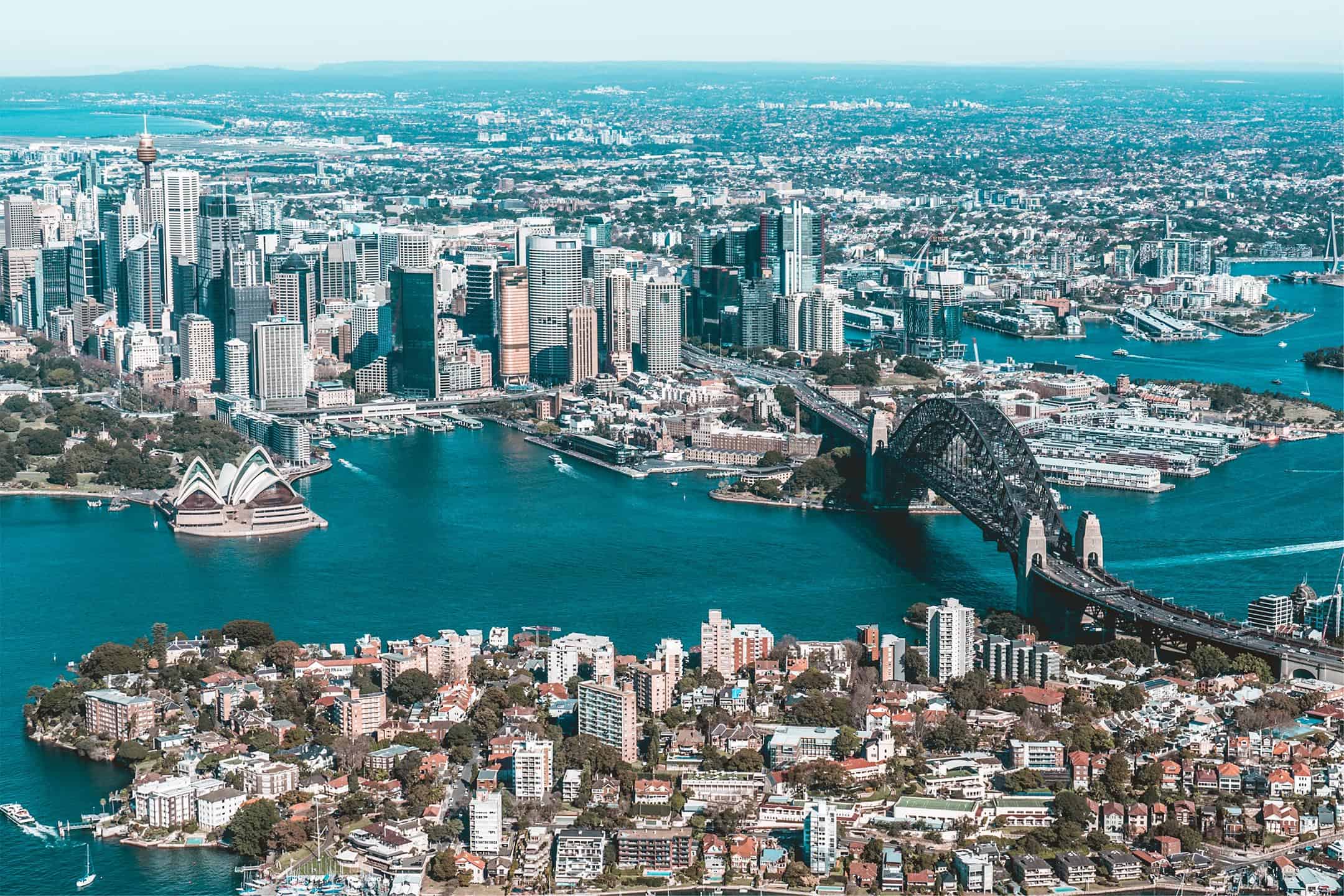
International moving costs are determined by volumetric weight (for air freight) or container volume (CBM for ocean freight). Professional moving services focus on optimizing space rather than cutting corners on safety. We utilize smart nesting techniques, such as packing smaller, non-fragile items inside empty spaces of larger furniture. This approach minimizes the total shipping volume. Strategic space planning ensures optimal resource deployment for long-haul relocation.
7. End-to-End Coordination and Destination Services
A true international relocation does not end when the ship docks or the plane lands. Integrated support systems ensure that communication remains unbroken from origin to destination. Upon arrival in Australia, and after passing customs and quarantine inspections, the service extends to inland transport. We utilize Australia’s transport network to deliver goods directly to your new residence. Finally, teams assist with unpacking and debris removal.
8. Conclusion
Moving from France to Australia represents a major life transition across distinct regulatory and geographical environments. Ensuring a seamless relocation requires balancing secure packing methodologies, choosing the right freight channels, and strictly adhering to Australia’s unique biosecurity protocols. Engaging a structured, professional logistics framework mitigates the stress of cross-border relocation. This choice ensures your household goods are preserved and delivered efficiently to your destination.
To receive expert guidance on packing standards, customs documentation, and logistics routing tailored to your relocation requirements, you can connect with our support channels:
-
Hotline: 0904 675 115
-
Zalo: 0907 411 933
View more:
Solar panel transportation from Long An to Khanh Hoa
Office and warehouse relocation services
Detailed comparison: DIY moving vs. Full-service relocation
