

Moving from Vietnam to another country requires more than putting household goods into boxes. A successful international relocation depends on a clear inventory, suitable packing, accurate documents and a delivery plan that matches the new home. When these four parts are prepared together, families can reduce avoidable delays and make the handover easier to control.
This guide explains a practical process for preparing furniture and personal belongings before an international move from Vietnam. It is written for families, expatriates, students and professionals who need a clear starting point before requesting a moving quotation.
1. Start with the actual moving plan
Before taking measurements or buying packing materials, write down the basic route. Include the collection city in Vietnam, the destination city, the expected moving month and the date you will leave your current home. Keep the travel date separate from the date your shipment should arrive. Your family may reach the destination before the household goods, especially when the new residence is not ready.
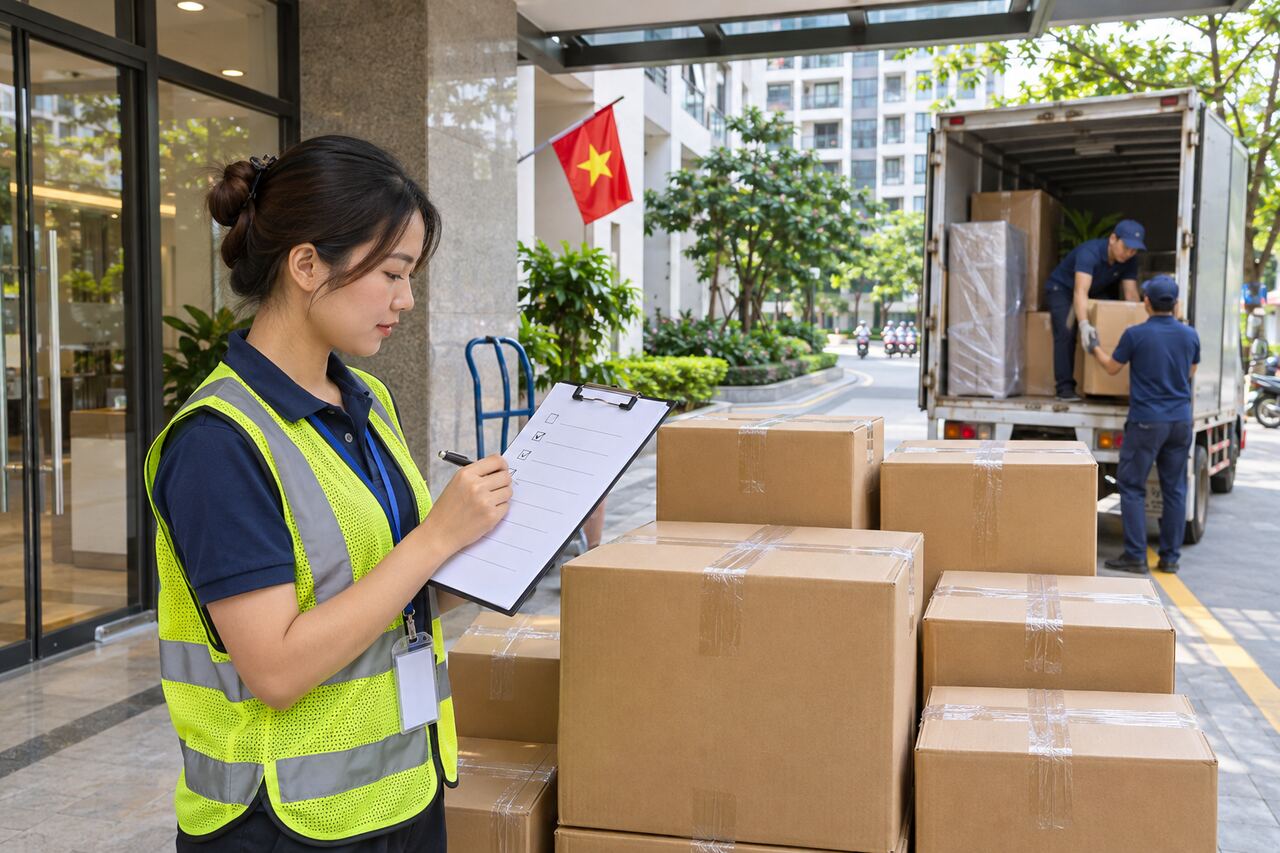
Access conditions also matter. Record the building floor, lift size, parking area, narrow lanes, stairs and any restricted collection hours. At the destination, check whether the property has a loading bay, lift booking procedure or building management rules. These details help the mover plan labour and equipment before collection day.
If storage may be needed, mention it from the beginning. Storage is a separate operational requirement and should be discussed with the quotation rather than added at the last minute.
2. Build a detailed room-by-room inventory
Walk through the home one room at a time. List furniture, appliances, kitchenware, clothing, books, artwork and personal effects separately. Avoid descriptions such as “miscellaneous household goods” when a more specific description is possible. “Used clothing,” “wooden dining table” and “ceramic bowls” are easier to identify during packing, customs review and delivery.
For large furniture, record approximate dimensions and take clear photographs. Photograph drawers, shelves, glass panels and existing marks. This creates a useful condition record and helps the mover assess whether dismantling or special protection may be required.
Assign one reference number to each carton and large item. Keep the same number on the physical label, packing list and photographs. A consistent numbering system makes it easier to check the shipment at destination and report a missing or damaged item promptly.
3. Separate shipment items from travel essentials
Create four groups before packing: household shipment, personal baggage, items to donate or sell, and items requiring further checks. This prevents important documents, medication and daily-use items from being sealed inside a carton.
Keep passports, visas, employment or school documents, keys, essential medication and valuables with the travelling family member. Prepare a first-week bag with clothes, chargers, toiletries, basic kitchen items and any equipment needed immediately after arrival. Check the relevant airline and destination rules for batteries, liquids and medication.
Small decisions made early can avoid unnecessary cost. An appliance may not suit the electrical system at the destination. A large cabinet may not fit through the new doorway. A decorative item may contain wood, plant material or another material that requires destination checks. Measure and classify before deciding to ship.
4. Prepare furniture for safe handling
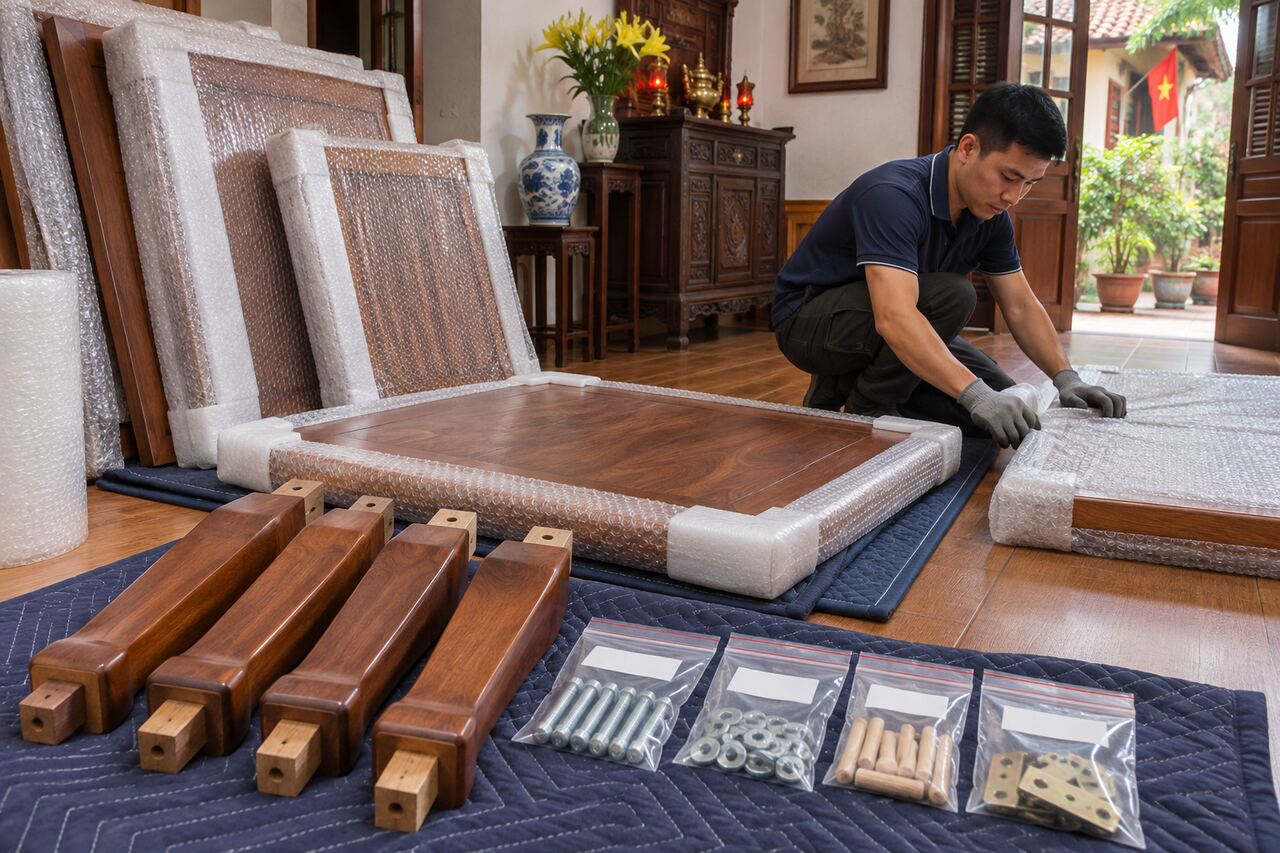
Furniture should be assessed before the packing team arrives. Confirm which items can be dismantled and whether they require specialist tools. Photograph each assembled item and keep screws, brackets and fittings in a labelled bag. The bag should be linked to the same reference number as the furniture, not placed loose in a general carton.
Protect vulnerable surfaces such as polished wood, glass, marble, leather and painted finishes. Tell the mover about existing scratches, repairs or weak joints. Clear information allows the team to choose appropriate protection and creates a fair record of the item’s condition before handling.
Ask what the service includes at the destination. Carrying furniture to the entrance, bringing it inside, unpacking it and reassembling it are different activities. The quotation should explain the agreed scope so the family and moving coordinator share the same expectation.
5. Pack fragile household goods by category
Fragile items need a packing method, not only a warning label. Group compatible goods and protect each item with suitable wrapping. Use dividers where they help separate plates, glasses or small decorative objects. Do not mix heavy tools with delicate ceramics, and avoid leaving empty space where contents can move freely.
Before packing, photograph the condition of valuable or fragile pieces. Tell the packing team about chips, cracks, old repairs or loose handles. If insurance is requested, ask for the policy wording, valuation method, exclusions, packing requirements and claims procedure. A fragile label does not by itself define insurance coverage.
6. Review documents for the destination country
International moving requirements depend on the destination, the type of goods and the customer’s circumstances. Ask the moving coordinator which documents are needed for the chosen route, then verify current requirements with the relevant destination authority.
For example, the United Kingdom has a Transfer of Residence process for eligible people moving their normal residence. Approval, timing and conditions matter, so customers should not assume that all used household goods automatically receive tax relief. A detailed description of goods and supporting information may be required before shipment.
Australia applies biosecurity controls to incoming personal effects. Goods exposed to soil, food, plants or animals may require cleaning, treatment or further inspection. Outdoor equipment, footwear and garden items should therefore be reviewed early. The correct preparation depends on the actual item and the current official rule.
Documents should be accurate and consistent. Descriptions on the inventory, packing list and customs paperwork should not contradict each other. Ask the appointed agent which details must appear in English and which copies should remain with the shipper.
7. Make the collection day easy to control
Before collection, clear a working area and separate items that will not travel. Keep personal baggage away from the packing zone. Confirm the inventory, carton count, access conditions and agreed service scope with the team.
During packing, note any change in quantity or condition. If an item is removed from the shipment, update the list. If an additional item is added, record it before loading. Keep copies of the signed packing list and handover record.
The family should also agree who will receive updates. A single contact person reduces duplicated messages and helps the moving coordinator communicate changes efficiently. Save the contact details in a place accessible after the Vietnamese phone number is no longer active.
8. Plan the destination handover
A delivery plan should be prepared before the shipment leaves Vietnam. Confirm the destination address, contact person, building access and preferred delivery period. If the new home is not ready, discuss storage or a later delivery arrangement. Do not assume that a shipment can be delivered to a building without checking management rules.
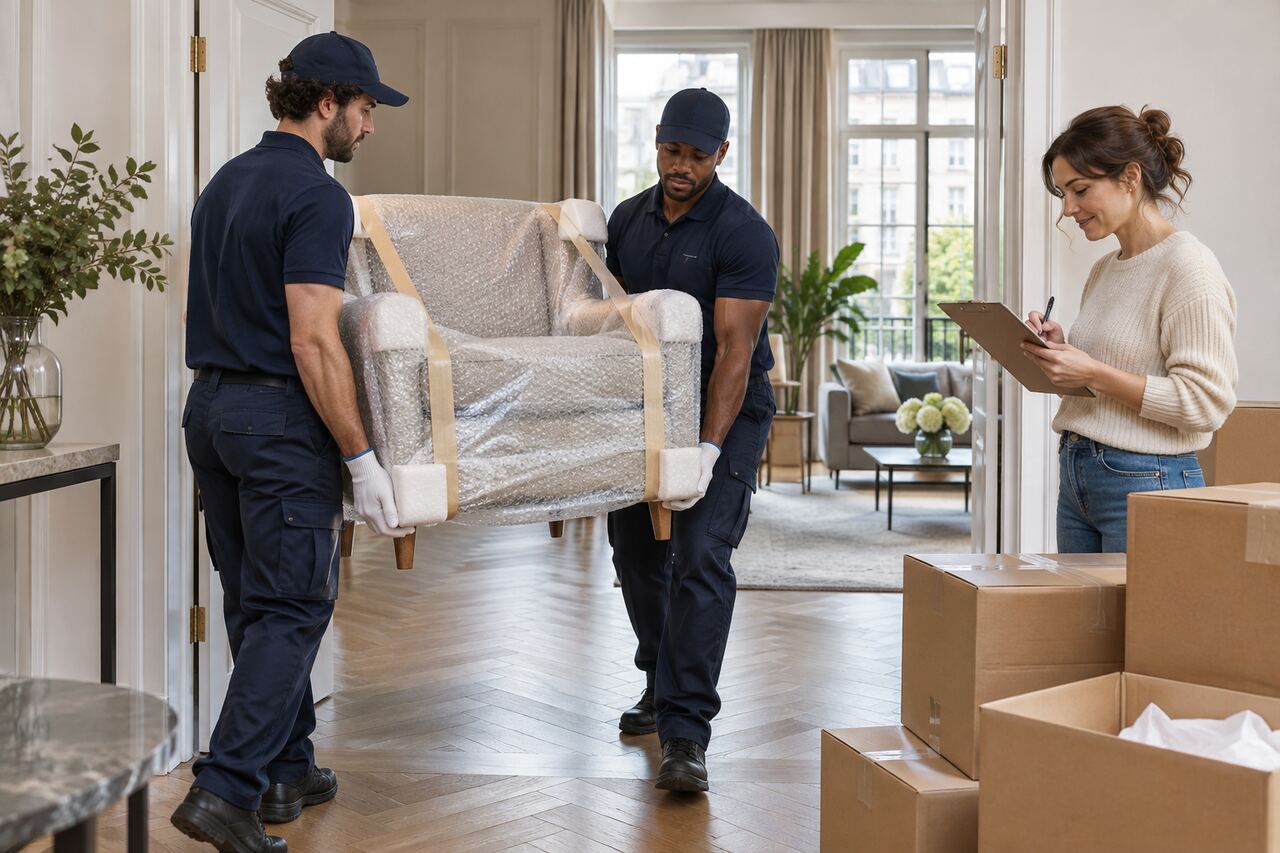
At delivery, compare the cartons and large items with the inventory references. Check visible condition before signing any final handover record. If there is a concern, photograph the item, note the reference number and follow the agreed reporting process promptly.
Frequently asked questions
Can I receive an international moving quotation before packing?
Yes. Start with the route, expected period, access details, photographs and a preliminary inventory. The final quotation may depend on confirmed volume, packing scope and destination services.
Should I ship everything in my home?
No. Separate essential travel items, goods to donate, items that need destination checks and household goods that are practical to ship. A room-by-room review helps avoid unnecessary volume.
How should I prepare furniture that cannot be dismantled?
Measure doorways and access points, photograph the item and tell the mover about its weight, material and fragile surfaces. The team can then assess handling and protection requirements before collection.
What information should I send to VietMovingHouse?
Send the collection and destination cities, preferred moving period, inventory, photographs, access information and any storage or special-handling needs. The service scope and quotation should be confirmed for the actual shipment.
Contact VietMovingHouse
International moving is easier to manage when the inventory, documents and delivery plan are prepared together. Share your route and household details with VietMovingHouse to discuss the next step.
Đoàn Ngọc Quang (Mr Domino) – Viet Moving House
Hotline: 090 467 5115
Email: cargo@indochinapost.vn
Or send your request to: https://www.facebook.com/groups/1913349573401732
