1. Understanding the Process of Moving Abroad from Vietnam
Moving abroad from Vietnam is a major life decision that requires careful preparation, especially when it involves international relocation of household goods, personal belongings, and important documents. Whether you are relocating for work, study, family reunification, or long-term settlement, building a structured moving plan can help reduce unnecessary stress during the transition.
International moving is not simply about packing boxes and booking transportation. It involves customs procedures, shipping coordination, destination regulations, inventory management, and timeline planning. Many people underestimate the amount of preparation required until they find themselves surrounded by half-packed luggage and unidentified cables from devices they no longer own. Humanity continues to transport entire lives across continents while still forgetting phone chargers in hotel rooms. Remarkable species.
A step-by-step approach helps ensure that every stage of the relocation process is organized efficiently and reduces the risk of delays or missing items.
2. Step 1: Create an International Moving Checklist
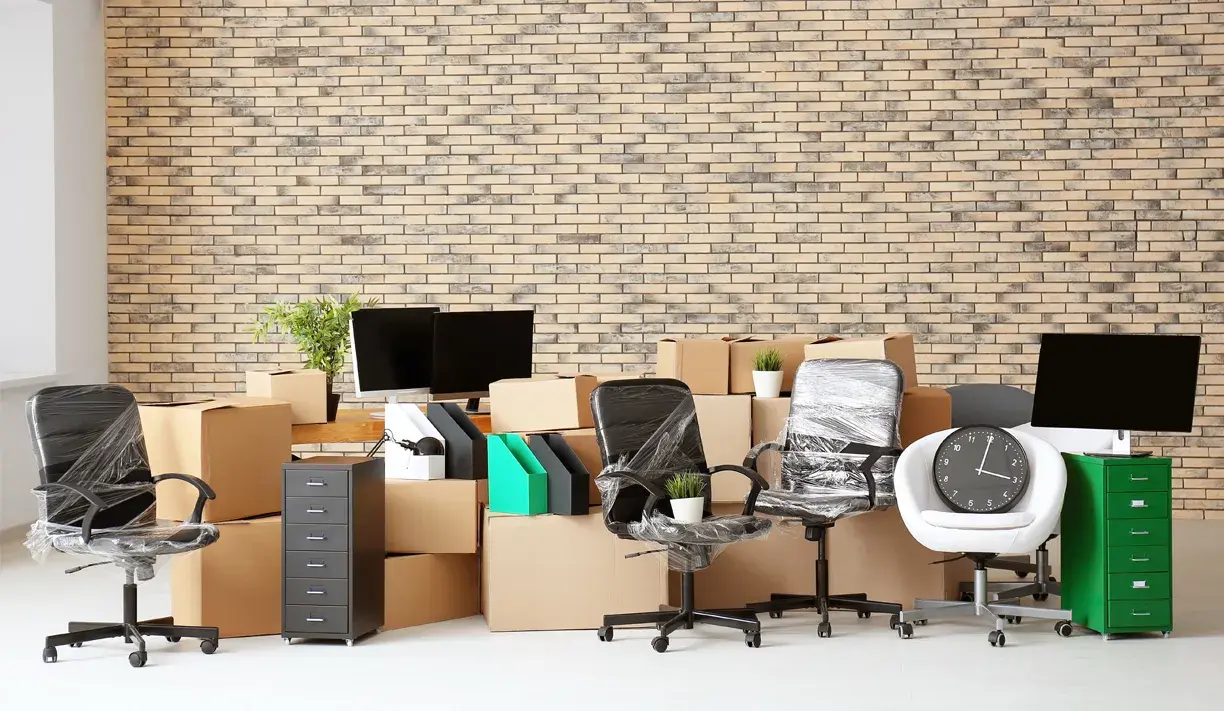
Before arranging transportation, it is important to create a complete relocation checklist. This allows individuals and families to identify which items should be moved, stored, donated, or discarded before departure.
A basic moving checklist may include:
- Passport and visa documents
- Personal identification papers
- Academic or employment records
- Household furniture
- Clothing and personal belongings
- Electronics and appliances
- Fragile or valuable items
Organizing belongings early helps avoid last-minute packing issues and supports better shipment planning. Many international moves become unnecessarily complicated because people attempt to sort ten years of accumulated possessions in a single weekend. The human attachment to unused objects remains one of logistics’ greatest enemies.
3. Step 2: Plan Packing and Shipment Properly
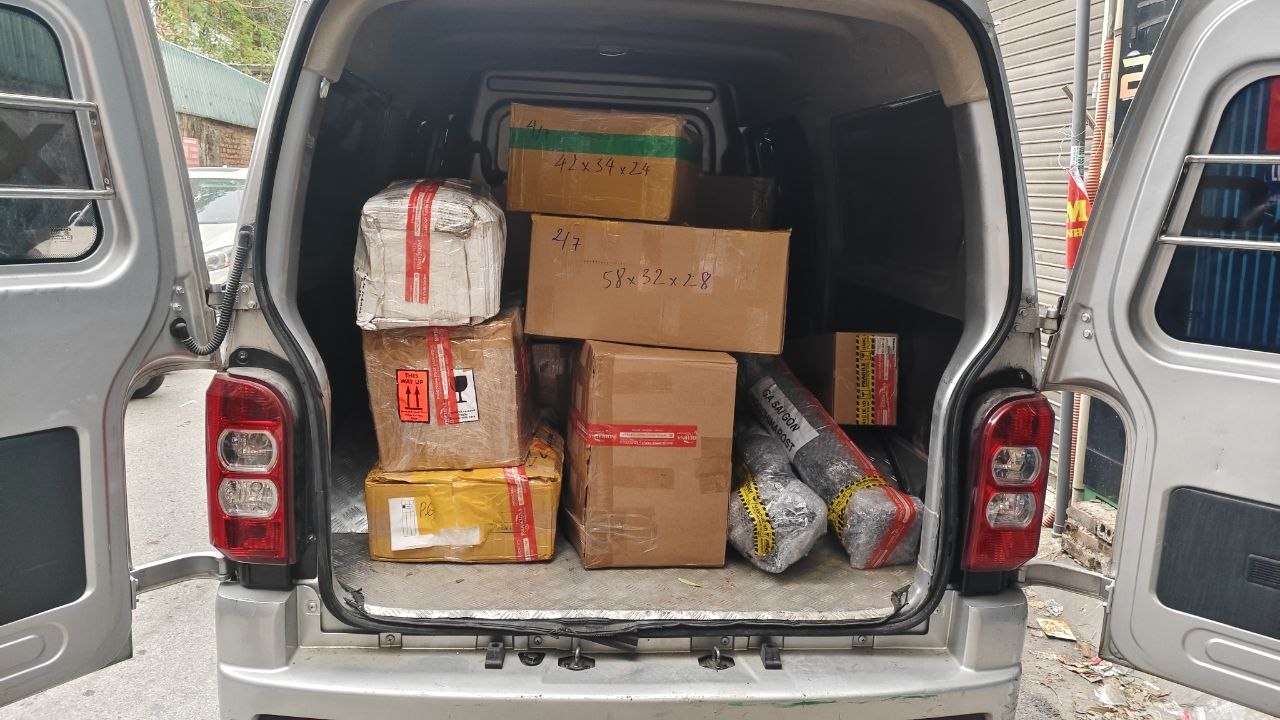
Packing plays a critical role in international relocation, especially for long-distance transportation from Vietnam to another country. Items often travel through multiple stages including trucking, warehouse handling, customs inspection, and overseas shipping.
To reduce damage during transportation, belongings should be categorized carefully:
3.1 Fragile Items
Glassware, ceramics, artwork, and electronics require protective materials and reinforced packaging.
3.2 Furniture and Large Household Goods
Large items should be measured and prepared for container loading to optimize shipping space.
3.3 Important Documents
Passports, contracts, certificates, and legal papers should remain easily accessible rather than packed deep inside shipment boxes. Surprisingly important detail. Humans enjoy hiding critical paperwork inside random folders and then blaming “moving stress” when it disappears.
Proper labeling also improves shipment organization and simplifies unpacking at the destination country.
4. Step 3: Understand Customs and Import Regulations
Every country has different import regulations regarding personal belongings, household goods, and restricted items. Before moving abroad from Vietnam, it is essential to review customs requirements carefully to avoid delays during clearance.
Common areas requiring attention include:
- Restricted food products
- Electronics regulations
- Taxable household items
- Wooden furniture inspection rules
- Documentation requirements for imported goods
Preparing accurate paperwork helps streamline customs procedures and reduces complications during international shipment processing.
For long-distance relocation, documentation accuracy is often just as important as physical transportation. A perfectly packed shipment can still face delays if customs declarations contain incorrect information.
5. Step 4: Coordinate Transportation and Delivery
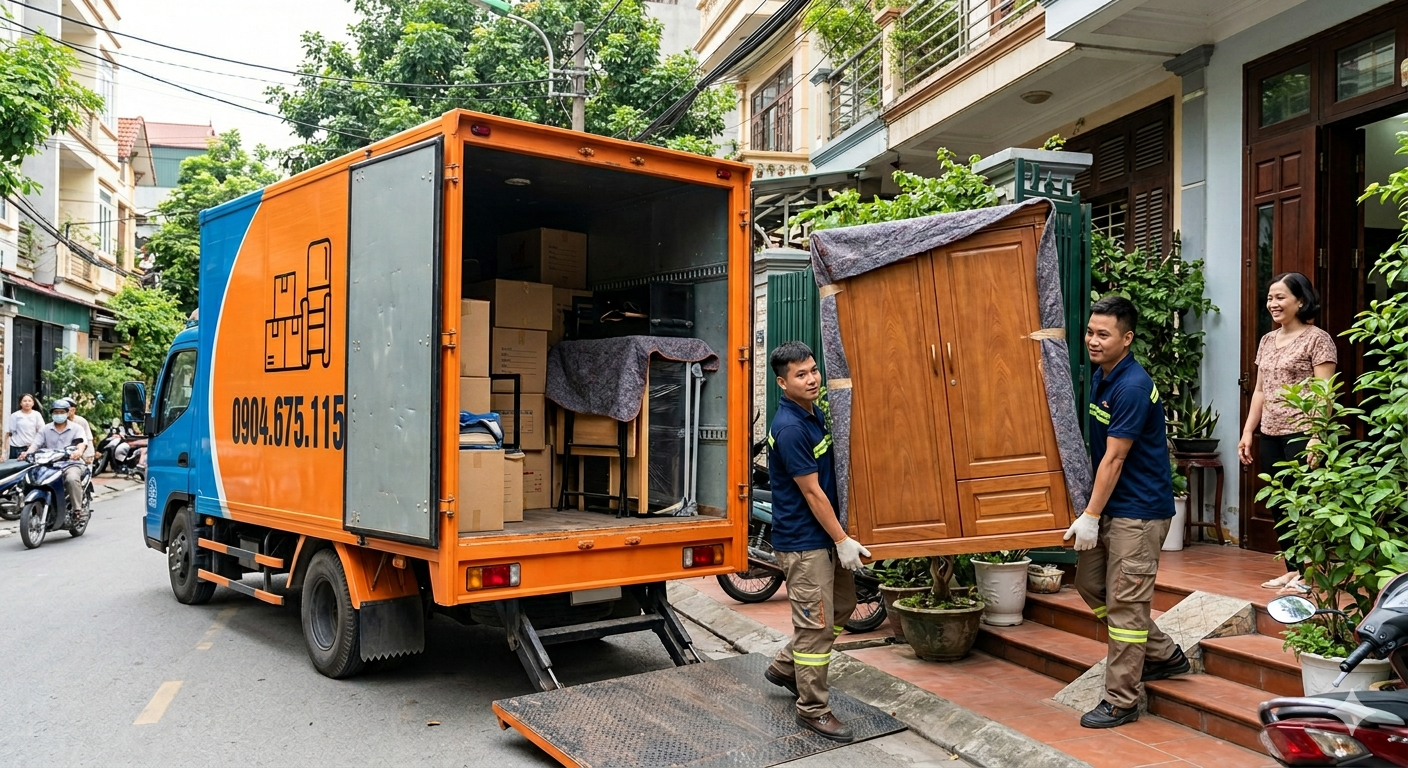
Transportation planning is one of the most important stages in international moving. Depending on shipment volume and destination country, relocation may involve sea freight, air freight, or combined transportation methods.
Several factors influence transportation planning:
- Shipment size
- Delivery timeline
- Destination regulations
- Accessibility of pickup and delivery locations
- Type of household goods being transported
For families relocating permanently, coordinating delivery schedules with housing arrangements abroad helps reduce temporary storage issues and unnecessary handling.
In many cases, international moving services also include tracking coordination and shipment updates to improve visibility during transit. Modern logistics systems can track containers across oceans in real time, yet people still panic when a suitcase disappears for twelve minutes at an airport carousel. Civilization remains emotionally fragile around luggage.
6. Step 5: Prepare for Arrival and Settlement
The final stage of moving abroad involves preparing for arrival in the destination country. Beyond transportation itself, settling into a new environment requires organization and planning.
Important preparation steps include:
- Confirming accommodation details
- Preparing local contact information
- Organizing financial access
- Reviewing healthcare registration requirements
- Planning unpacking priorities after arrival
Having a structured settlement plan helps reduce adjustment pressure during the first weeks abroad and allows the relocation process to transition more smoothly into daily life.
Conclusion
Moving abroad from Vietnam requires careful coordination between planning, packing, transportation, customs preparation, and final delivery. A step-by-step relocation strategy helps individuals and families manage the process more effectively while reducing avoidable disruptions during international transit.
As international mobility continues to increase, organized relocation planning becomes more important than ever. Behind every successful overseas move is usually a long chain of logistics decisions, documentation checks, and carefully packed boxes carrying pieces of someone’s daily life across the world. Humans call it relocation. Logistics companies call it Tuesday.
View more:
Solar panel transportation from Long An to Khanh Hoa
Office and warehouse relocation services
Detailed comparison: DIY moving vs. Full-service relocation
