
In the context of accelerating globalization, the demand for international relocation and settlement among Vietnamese individuals is rising rapidly. In particular, the Vietnam–U.S. route has become an increasingly popular choice. The customer base is diverse, ranging from long-term immigrants and international students to families pursuing reunification.
However, international relocation is fundamentally different from domestic moving. It is a complex, multi-stage process involving numerous stakeholders. Long distances, legal differences, and stringent customs regulations make the entire operation far from straightforward.
In addition, transit times can extend from several weeks to over a month. Shipments must pass through multiple stages, including domestic transportation, export procedures, international transit, and import clearance. This significantly increases the difficulty of timeline control and cargo safety assurance.
As a result, comprehensive international relocation services are becoming the preferred solution. This approach simplifies the process, mitigates risks, and optimizes costs, while ensuring that goods are handled in compliance with professional standards throughout the journey.
1. KEY CHARACTERISTICS OF RELOCATING FROM VIETNAM TO THE UNITED STATES
Distance and Transit Time
Relocation from Vietnam to the United States presents distinct logistical characteristics, with distances ranging from approximately 10,000 to 14,000 kilometers depending on the destination. This directly impacts both cost and delivery timelines.
Sea freight typically requires 20 to 45 days, while air freight is significantly faster, ranging from 5 to 10 days. However, the latter comes with substantially higher costs.
Strict Customs Regulations
The U.S. customs system imposes rigorous requirements. Goods must comply with regulations related to quarantine, safety, and origin. Declarations must be highly accurate.
Even minor discrepancies can result in shipment holds, leading to unavoidable storage and handling costs.
Standardized Packing Requirements
Packing is no longer a matter of basic wrapping. Goods must withstand impact and environmental changes over extended periods.
Specialized materials such as foam padding, shockproof wrapping, and multi-layer cartons are essential. For high-value items, wooden crates are often required.
Multi-Stage Transportation Process
Shipments do not move directly from origin to final destination. Instead, they go through a series of sequential steps.
The process includes cargo collection, domestic transport, export handling, international shipping, and import procedures, followed by final delivery. Each stage has its own requirements and must be executed with precision.
2. COMMON RELOCATION METHODS
Sea Freight
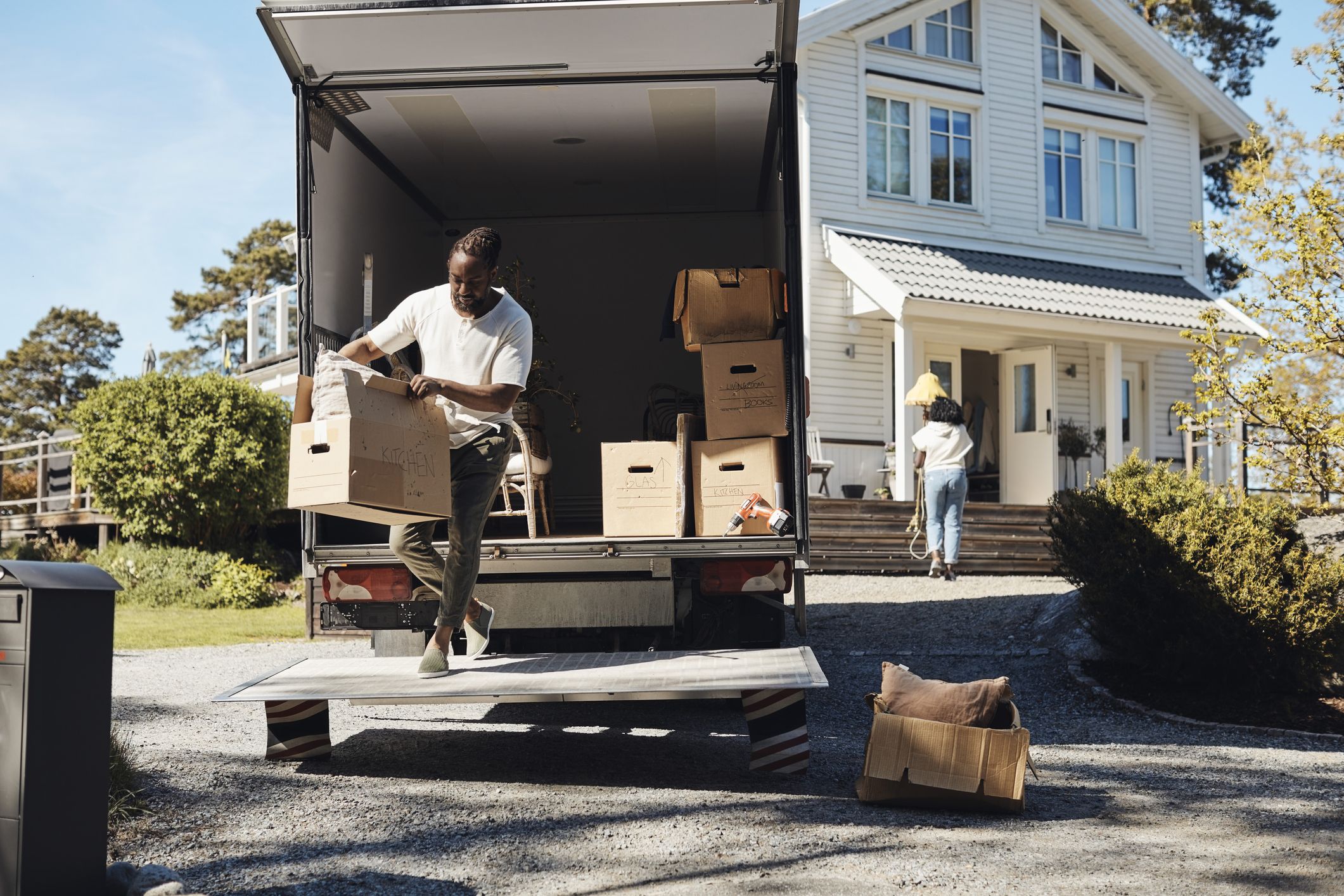
This is the most commonly used method for large-volume shipments, particularly furniture and household goods.
Its primary advantage is cost efficiency. When calculated by volume, sea freight is generally more economical.
However, transit times are longer, typically ranging from 25 to 45 days. Additionally, transshipment through multiple ports may increase risks if packing is inadequate.
Air Freight
This method is suitable for smaller, high-value, or time-sensitive items, such as important documents or essential personal belongings.
Transit time is significantly shorter, usually between 5 and 10 days, making it ideal for urgent situations.
However, costs are considerably higher than sea freight. For heavy or bulky cargo, expenses can increase substantially.
Combined Shipping Methods
In practice, many customers opt for a hybrid approach rather than a single method.
Urgent items are transported by air, while the remaining goods are shipped by sea to reduce costs. This approach offers both flexibility and efficiency.
3. COMMON TYPES OF GOODS TRANSPORTED
Furniture and Household Items
This is the most common category, including beds, wardrobes, tables, chairs, and daily-use household items.
These items are typically transported for long-term relocation, as their utility value makes them worth keeping.
Personal Belongings and Clothing
Clothing and personal items usually account for a significant portion of shipments. Fortunately, they are relatively easy to handle.
Proper organization and systematic packing are generally sufficient.
Electronic Devices
Items such as computers, televisions, and electronic appliances are also frequently shipped. However, compatibility with U.S. voltage standards and usage requirements must be considered.
Failure to check beforehand may result in items that cannot be used upon arrival.
Books and Documents
Books and important documents are especially relevant for international students. These items must be carefully protected against moisture and damage.
Restricted Goods
Not all items are eligible for import. Certain goods are prohibited or restricted.
Examples include fresh food, flammable substances, and specific types of liquids. Pre-shipment verification is essential to avoid legal complications.
4. END-TO-END RELOCATION PROCESS FROM VIETNAM TO THE UNITED STATES
Step 1: Assessment and Consultation
The logistics provider evaluates the volume and type of goods, either through on-site inspection or based on provided images.
Based on this assessment, a suitable transportation plan is proposed along with a detailed quotation.
Step 2: Standardized Packing
Goods are packed using specialized materials. Foam padding, shockproof wrapping, and multi-layer cartons are commonly used.
Each package is clearly labeled to facilitate tracking and control.
Step 3: Domestic Transportation and Export Procedures
After packing, the shipment is transported to the port or airport, where export procedures are carried out.
Step 4: International Transportation
The shipment begins its overseas journey. During this phase, customers can monitor the progress.
Regular updates help ensure better control and visibility.
Step 5: Customs Clearance in the United States
Upon arrival, the shipment undergoes inspection and import clearance procedures. Documentation must be accurate to avoid delays.
Step 6: Final Delivery
After clearance, the goods are delivered to the designated address. Some providers also offer unpacking and installation services.

5. RISKS OF SELF-MANAGING INTERNATIONAL RELOCATION
Handling an international move independently may seem cost-effective. In reality, it’s closer to doing your own electrical wiring at home. If done correctly, nothing happens. If not, the consequences tend to linger.
Documentation Errors
This is the most common risk. Missing or incorrect declarations can easily result in shipment holds.
In such cases, storage and handling costs can escalate quickly.
Improper Packing
Inadequate packing increases the likelihood of damage. The longer the journey, the higher the risk.
There are many cases where goods arrive no longer in their original condition.
Lack of Regulatory Knowledge
Shipping prohibited or restricted items is not uncommon. When this occurs, goods may be confiscated or returned.
The resulting losses can be significant.
Lack of Operational Experience
Inexperience with the process often leads to unexpected costs. From inspection fees to storage charges, expenses can accumulate rapidly.
A single minor mistake can delay the entire shipment. And once delays begin, they tend to cascade.
6. HOW TO ENSURE A SAFE RELOCATION
International relocation, especially on the Vietnam–U.S. route, is not simply a matter of packing and shipping. Safety depends on thorough preparation and proper handling at every stage. When executed correctly from the outset, most risks can be effectively controlled.
First, a detailed inventory of all items should be prepared, including categories, quantities, condition, and estimated value. This list supports effective tracking during transit and serves as a critical reference for customs procedures and delivery verification.
Goods should also be clearly categorized rather than packed together indiscriminately. Fragile items, electronic devices, and high-value goods require separate handling to prevent unnecessary damage.
In terms of packing, international standards should be followed, using appropriate materials such as shockproof wrapping, foam padding, and multi-layer cartons. For fragile items, wooden crates provide enhanced protection. Warning labels should also be applied to minimize risks during handling.
Additionally, all documentation must be prepared accurately and in full. Even minor errors can result in shipment delays during customs clearance.
Finally, shipment progress should be monitored regularly. Continuous updates allow for proactive issue resolution rather than reactive delays.
7. BENEFITS OF USING FULL-SERVICE RELOCATION
In a multi-stage process like international relocation, a full-service solution is a practical choice if you prefer not to manage everything yourself.
The most obvious benefit is that you do not need to handle import-export procedures. From customs declarations and documentation preparation to resolving unexpected issues, everything is managed by the logistics provider, reducing pressure and minimizing errors.
In addition, you receive professional advice tailored to your shipment volume, timeline, and budget. This helps avoid choosing the wrong transportation method, which could lead to higher costs or delays.
Full-service relocation also enhances cargo safety. With established processes and experience, providers know how to handle different types of goods, reducing the risk of damage or loss.
Furthermore, it significantly saves time and effort. Instead of monitoring every stage, you only need to coordinate when necessary.
Notably, for the Vietnam–U.S. route, experience in handling documentation is critical. An experienced provider can facilitate faster customs clearance and minimize potential issues.
8. PREPARATION BEFORE RELOCATING TO THE UNITED STATES
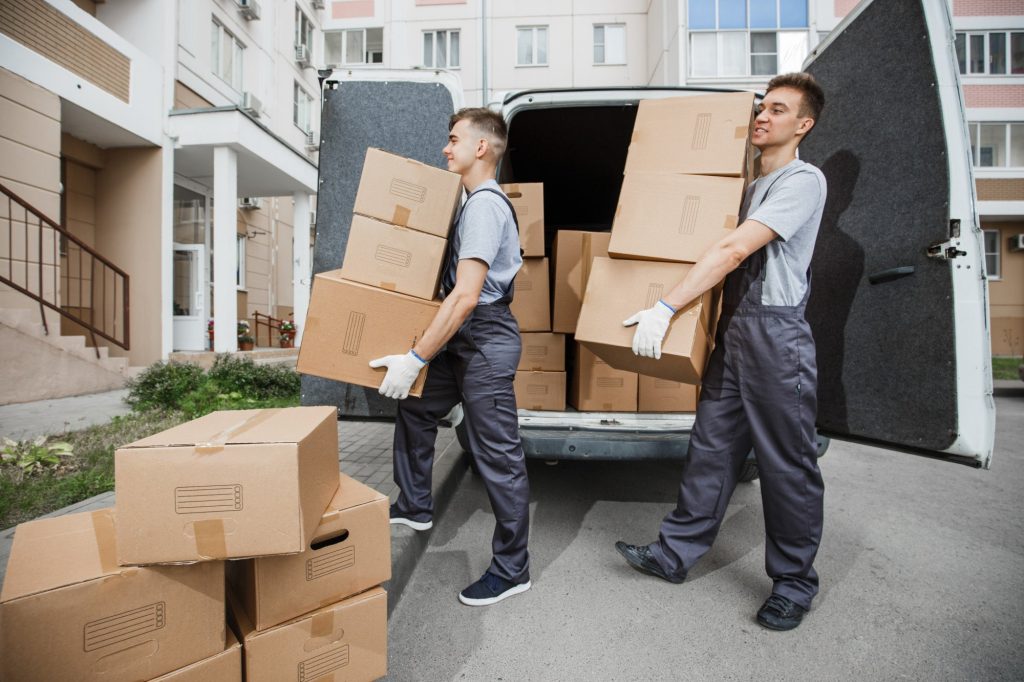
Proper preparation not only ensures a smoother relocation process but also significantly reduces avoidable mistakes. Simply put, the more thorough the preparation, the less you will have to deal with problems later.
First, review all belongings and remove items that are no longer necessary. This reduces shipment volume, optimizes transportation costs, and avoids bringing items that may not be useful in a new living environment.
At the same time, personal documents should be fully prepared and well organized. Passports, visas, residency documents, and shipment-related paperwork should be carefully reviewed in advance. Leaving this until the last minute often leads to missing documents.
Additionally, you can proactively pack smaller items or personal belongings that will not be needed in the short term. This helps reduce workload on moving day and shortens processing time.
One important point that is often overlooked is keeping essential items separate. Important documents, cash, and personal devices should be carried with you rather than included in the shipment. Arriving without these is far more than a minor inconvenience.
9. CONTACT INFORMATION
Before initiating the shipment, clearly discussing your needs and the condition of your goods is essential. This helps establish a suitable plan from the outset and minimizes potential risks later on.
Hotline: 0904 675 115
Zalo: 0907 411 933
Early communication allows for better preparation. Waiting until the last minute usually makes things unnecessarily complicated.
10. CONCLUSION ON RELOCATION SERVICES
Relocating from Vietnam to the United States is a multi-stage process with little room for error. Every step, from preparation and packing to transportation and customs clearance, directly impacts the final outcome.
When executed properly, goods will arrive safely and on schedule. Conversely, even a minor mistake can trigger a chain of issues, including delays, additional costs, or damage to property.
In practice, investing time in proper preparation from the beginning is always more effective than dealing with consequences later. In international relocation, fixing mistakes is almost always far more costly than doing things correctly the first time.
In short, a structured and well-prepared approach makes the process far more manageable. Taking shortcuts and hoping for the best, on the other hand, often leads to a situation that is… memorable for all the wrong reasons.
View more:
Solar panel transportation from Long An to Khanh Hoa
Office and warehouse relocation services
Detailed comparison: DIY moving vs. Full-service relocation
